


Subtotal $0.00


Where Medical Practices Lose Time and How to Improve Daily Efficiency
Medical practices operate on tight schedules, yet many still experience delays, backlogs, and inconsistent workflows. The issue is not always about workload. It often comes down to where medical practices lose time during routine operations.
Small inefficiencies at different stages of the day gradually build into larger problems that affect patient experience, staff productivity, and revenue.
From the front desk to billing and follow-ups, every step plays a role in either maintaining efficiency or slowing the entire system down. Most practices do not notice these gaps immediately because they appear as minor delays.
Over time, however, they compound into operational challenges that are difficult to manage without structured changes.
This blog breaks down the most common areas where time is lost in daily operations and provides clear, practical ways to fix those issues.

TL;DR:
- Medical practices lose time through small daily inefficiencies in front desk tasks, scheduling, verification, billing, and follow-ups.
- These delays build up, leading to longer wait times, staff overload, and reduced patient satisfaction.
- Operational gaps in coordination and manual processes slow down workflows and affect revenue cycles.
- Fixing these issues requires structured workflows, better coordination, and reducing repetitive admin work.
- CareHub helps streamline operations by handling back-office tasks, allowing practices to save time and focus on patient care.
The Real Cost of Lost Time in Medical Practices
Why Small Delays Turn Into Bigger Operational Problems
A delay of a few minutes may seem harmless, but when repeated throughout the day, it disrupts the entire schedule. A slow check-in, a delayed verification, or a missed update forces the next task to start late. As these delays stack up, staff begin rushing to keep up, which increases the likelihood of errors.
This is how workflow issues develop across a clinic. Instead of operating smoothly, teams constantly react to delays. Over time, this reactive approach creates inconsistency in how tasks are handled, leading to inefficiencies across departments.
Small gaps in coordination also contribute to this problem. When information is not passed correctly between teams, processes need to be repeated or corrected, adding more time to already delayed workflows.
How Time Loss Impacts Patient Experience and Revenue
Patients expect timely service. Long waiting times, repeated questions, and unclear communication reduce confidence in the clinic’s ability to manage care effectively. Even when the quality of care is high, operational delays can negatively shape the overall experience.
At the same time, staff face increased pressure. Administrative workload grows as they try to manage delays, correct errors, and keep up with patient demand. This directly impacts productivity and increases the chances of burnout.
From a financial perspective, time loss leads to missed opportunities. Delayed processes affect billing cycles, reduce patient throughput, and create gaps in revenue collection. These inefficiencies often go unnoticed until they begin to affect overall performance.

Front Desk Inefficiencies That Slow Everything Down
Patient Check-In and Intake Delays
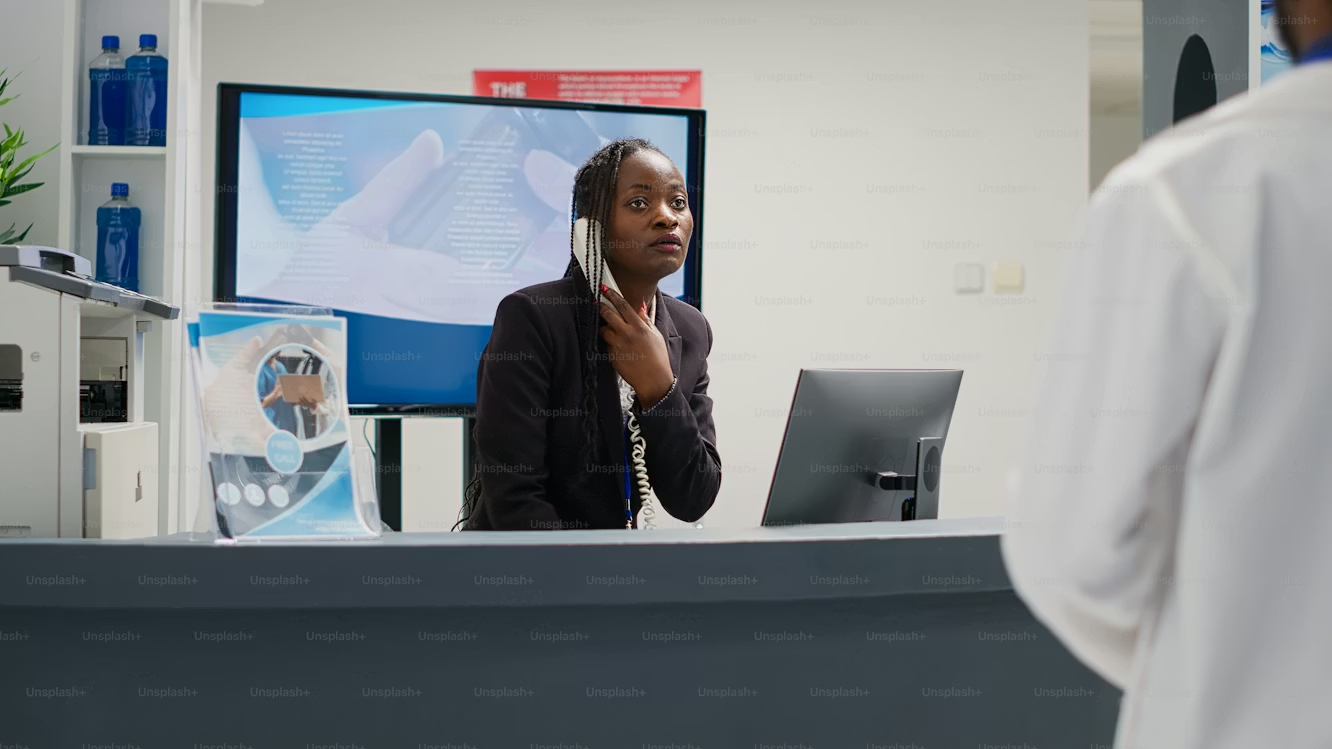
The front desk is one of the most critical points in a clinic’s workflow. It sets the pace for everything that follows. When check-in processes are slow or disorganized, delays quickly spread to other areas.
Incomplete patient information is a common issue. Staff often have to re-enter or verify details multiple times, which increases processing time. Manual intake systems also contribute to delays, especially when forms are filled incorrectly or missing key information.
These intake challenges create longer waiting times and reduce the number of patients that can be handled efficiently in a day. Over time, this affects both patient satisfaction and operational capacity.
Communication Gaps at the Front Desk
Clear communication is essential at the front desk, yet it is often where confusion begins. Miscommunication about appointment times, required documents, or next steps leads to repeated interactions and corrections.
These gaps force staff to spend additional time resolving issues instead of moving patients through the process. This slows down operations and creates unnecessary pressure on the team.
[Front desk delays often create a ripple effect that disrupts the entire day’s schedule.]
When front desk operations are not streamlined, the entire workflow becomes less predictable and harder to manage.
Scheduling Gaps That Disrupt Daily Flow
Poor Appointment Planning and Overbooking
Scheduling is a balancing act. When done correctly, it ensures a steady flow of patients throughout the day. When done poorly, it creates bottlenecks and idle time.
Overbooking is often used to compensate for no-shows, but it can lead to overcrowded schedules and longer wait times. On the other hand, underbooking results in unused time slots and reduced productivity.
Without a structured approach to scheduling, clinics struggle to maintain consistency in their daily operations. This leads to uneven workloads and increased stress for staff.
Missed Appointments and Follow-Up Gaps
No-shows are a common challenge, but the real issue lies in how they are managed. Without proper follow-up systems, missed appointments turn into lost opportunities.
Clinics often lack structured processes to reconnect with patients who miss visits. This creates gaps in the schedule and affects continuity of care. It also reduces the chances of rescheduling, which impacts overall efficiency.
Improving scheduling systems requires better tracking, reminders, and follow-up strategies. When these elements are in place, clinics can maintain a more stable and predictable workflow.
Insurance Verification Bottlenecks
Slow Eligibility Checks
Insurance verification is a critical step that directly impacts both patient care and billing. When this process is slow, it delays everything that follows.
Manual verification methods often require staff to check multiple sources, confirm details, and handle discrepancies. This takes time and increases the chances of incomplete or inaccurate information.
Delayed verification can result in patients waiting longer or having their appointments rescheduled. It also creates uncertainty around coverage, which affects billing accuracy later in the process.
Errors That Lead to Delays and Rework
Verification errors are one of the most common causes of delays. Incorrect information leads to claim issues, which then require additional time to resolve.
These errors create a cycle of rework. Staff must revisit the same task multiple times, which reduces overall efficiency and increases workload.
[Delayed insurance verification often leads to claim issues that take weeks to resolve.]
Improving accuracy at this stage can significantly reduce delays across both administrative and financial processes.

Billing Workflow Issues That Drain Time
Manual Billing Processes and Errors
Billing is one of the most time-sensitive areas in a clinic’s operations. When processes are manual or inconsistent, errors become more frequent.
Incorrect entries, missing information, and delayed submissions all contribute to inefficiencies. Staff spend additional time reviewing and correcting these issues, which slows down the entire revenue cycle.
These challenges not only affect productivity but also increase the risk of claim denials and delayed payments.
Delays in Claims and Payment Cycles
When claims are not processed efficiently, payment cycles become longer. Clinics must invest more time in tracking, following up, and resubmitting claims.
This affects cash flow and creates uncertainty in financial planning. Delayed payments also increase administrative workload, as staff must manage ongoing follow-ups with payers.
Streamlining billing processes helps reduce these delays and improves overall financial performance.
Referral Management and Follow-Up Delays
Missed or Delayed Referrals
Referrals play an important role in patient care, but they are often poorly managed. Without proper tracking systems, referrals can be delayed or overlooked entirely.
This not only affects patient outcomes but also reduces opportunities for continued care within the practice. Inefficient referral management creates gaps that impact both operations and revenue.
Lack of Structured Patient Follow-Ups
Follow-ups are essential for maintaining patient relationships and ensuring continuity of care. However, many clinics rely on manual processes that are inconsistent and time-consuming.
Without a clear system in place, follow-ups are often delayed or missed. This reduces patient engagement and increases the likelihood of incomplete treatment plans.
[Missed follow-ups not only affect care quality but also reduce long-term revenue potential.]
Improving follow-up processes helps maintain consistency and strengthens overall workflow efficiency.
How to Fix These Daily Operational Gaps
Standardizing Workflows Across Departments
Standardization is one of the most effective ways to improve efficiency. When processes are clearly defined and consistently followed, it reduces confusion and minimizes delays.
Every department should operate within a structured framework that ensures tasks are completed in a predictable manner. This improves coordination and reduces the need for repeated work.
Reducing Manual Work Through Support Systems
Manual tasks are a major source of inefficiency. Automating or outsourcing repetitive processes allows staff to focus on more critical responsibilities.
Reducing manual workload not only improves speed but also lowers the risk of errors. This leads to more accurate and reliable operations.
Improving Coordination Between Front and Back Office
Coordination between departments is essential for smooth operations. When front and back office teams work in isolation, it creates gaps in communication and workflow.
Improving collaboration ensures that information flows seamlessly between teams. This reduces delays and helps maintain a steady pace throughout the day.
[Clinics that streamline operations see immediate improvements in both efficiency and patient satisfaction.]
A well-coordinated system allows clinics to operate more efficiently without increasing workload.

How CareHub Helps Medical Practices Save Time and Operate Efficiently
End-to-End Back Office Support
CareHub provides comprehensive support across all key areas of clinic operations, including front desk tasks, insurance verification, billing, and patient follow-ups.
By handling these time-consuming processes, CareHub helps eliminate inefficiencies that slow down daily operations.
This structured approach ensures that each step in the workflow is managed with accuracy and consistency, allowing clinics to operate more smoothly.
Reducing Administrative Burden Without Adding Overhead
Instead of increasing internal workload, CareHub helps reduce administrative pressure by taking over routine tasks that require time and attention. This allows healthcare providers to focus on patient care while maintaining operational efficiency.
With reliable support and optimized processes, clinics can improve performance, reduce delays, and create a more balanced and efficient working environment.
By identifying where time is lost and addressing these inefficiencies with the right approach, medical practices can significantly improve both operational performance and patient experience.