


Subtotal $0.00


What is Medical Billing?
Imagine receiving medical care but never getting a bill, or worse, getting one full of errors.
That’s where medical billing comes in. It ensures that healthcare revenue flows smoothly by accurately processing payments between patients, providers, and insurance companies.
There are two primary types: professional medical billing and institutional medical billing.
Professional billing covers services by individual providers, like doctors or specialists, while institutional billing manages payments for hospitals and healthcare facilities.
“Understanding these medical billing systems is crucial for providers to avoid claim denials, ensure timely insurance reimbursement, and maintain compliance with HIPAA regulations.”
Accurate medical coding, including ICD-10 codes and CPT codes, plays a key role in this process, helping prevent costly medical billing errors.
By knowing the different billing methods and compliance requirements, healthcare providers can improve efficiency, reduce financial risks, and ensure patients receive clear and accurate billing statements.

TL:DR:
- Medical billing is essential for ensuring smooth revenue flow in healthcare facilities.
- There are three main billing systems: closed, open, and isolated, each serving different healthcare needs.
- Professional billing is used for physician services, while institutional billing covers hospital-related charges.
- Common challenges in medical billing include claim denials, coding errors, and compliance risks.
- A well-structured billing workflow improves accuracy, speeds up reimbursement, and reduces errors.
- Using advanced billing software and automation can enhance efficiency and compliance with HIPAA regulations.
- CareHub provides expert medical billing solutions to streamline processes and optimize revenue management.
Types of Billing Systems in Healthcare
Medical billing systems play a vital role in managing payments and financial records in hospitals and clinics. These systems help streamline billing, reduce errors, and improve efficiency.
There are three main types of medical billing systems used in healthcare.
Closed Medical Billing System
A closed billing system is used within a single healthcare organization. It means patient records and billing information stay within one facility, like a private practice.
This system ensures data security but limits accessibility if the patient seeks care elsewhere.
Open Medical Billing System
An open billing system allows multiple healthcare providers to access and share patient billing information.
It is commonly used in hospitals, clinics, and multi-specialty practices. This system improves coordination of care but requires strict compliance with healthcare billing regulations.
Isolated Medical Billing System
An isolated billing system is rarely used in modern healthcare. It operates independently, meaning there is no connection to other healthcare providers or insurance systems.
This type is mostly found in specialized or outdated medical settings.
With advancements in billing software and automated medical billing, modern healthcare facilities can improve accuracy, speed up claim processing, and enhance financial management.
Choosing the right system helps ensure efficient billing and reduces administrative burdens.
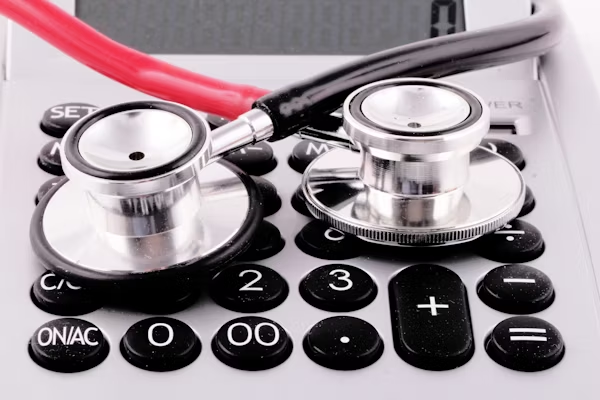
Two Types of Medical Billing Used in Healthcare
“Medical billing is categorized into two main types: professional billing and institutional billing.”
Both are essential for processing claims, ensuring timely payments, and maintaining financial stability in healthcare organizations.
Professional billing is used for individual healthcare providers, such as physicians and specialists.
It focuses on billing insurance companies or patients for outpatient services, office visits, and procedures performed by medical professionals.
This type of billing involves detailed coding and claim submissions.
Institutional billing, on the other hand, is used by hospitals, rehabilitation centers, and other healthcare facilities.
It involves billing for services such as hospital stays, surgeries, and lab tests.
Since these services are more complex, institutional billing requires a more extensive claims process and regulatory compliance.
Understanding the differences between these billing types helps healthcare providers manage payments efficiently, reduce medical billing errors, and improve overall revenue cycle management.
Professional Billing
Professional medical billing refers to the process of submitting claims for services provided by physicians, specialists, and other individual healthcare providers.
It primarily deals with outpatient care, including doctor visits, diagnostic tests, and minor procedures.
The goal of professional billing is to ensure accurate insurance reimbursement. Claims are submitted using standardized codes such as CPT codes for procedures and ICD-10 codes for diagnoses.
These codes help insurance companies determine the services provided and the corresponding payments.
One of the key challenges in professional billing is minimizing medical billing errors.
Mistakes in coding, incorrect patient details, or missing documentation can lead to claim denials, and delaying payments.
To avoid such issues, billing specialists use electronic billing systems that streamline claim processing and reduce errors.
Efficient professional billing ensures that healthcare providers receive timely compensation for their services while maintaining compliance with insurance policies and industry regulations.
Institutional Billing
Institutional medical billing is used by hospitals, nursing homes, rehabilitation centers, and other large healthcare facilities.
Unlike professional billing, which focuses on individual providers, institutional billing covers a wide range of services, including hospital stays, surgeries, and diagnostic procedures.
Hospitals and healthcare facilities rely on institutional billing to manage large-scale insurance claims.
This process involves detailed documentation, ensuring that services are accurately billed using ICD-10 codes.
These codes classify diseases and procedures, making it easier for insurers to process claims.
Revenue cycle management plays a crucial role in institutional billing.
From patient registration to final reimbursement, hospitals must follow strict guidelines to maintain compliance and avoid claim rejections.
Healthcare compliance regulations, including HIPAA, also ensure that patient data remains secure throughout the billing process.
With the complexity of institutional billing, many healthcare facilities invest in automated billing solutions to improve accuracy, streamline claims, and optimize financial performance.
Read more about the differences between Professional and Institutional Billing.

What Forms Does Professional Billing Use?
Professional medical billing relies on standardized forms to ensure accurate claim submission and timely insurance reimbursement.
“The most commonly used form is the CMS-1500, which is essential for billing outpatient services provided by physicians and specialists.”
Proper use of these forms streamlines the medical billing workflow, reducing claim denials and delays.
CMS-1500 Form
The CMS-1500 form is used to submit claims for professional medical billing.
It includes essential details such as patient information, provider details, diagnosis codes, and procedure codes.
This form ensures that insurance companies process claims accurately and reimburse healthcare providers efficiently.
Insurance Verification Forms
Before submitting claims, healthcare providers verify patient insurance coverage.
Insurance verification forms document policy details, eligibility, and co-payment requirements, preventing claim denials due to coverage issues.
Electronic Claims Submission
With modern medical billing systems, electronic claims submission replaces paper forms, improving efficiency.
Automated medical billing tools help track claim statuses, reducing errors in the insurance verification process.
Key Differences Between Professional and Institutional Billing
Both professional medical billing and institutional medical billing are essential for healthcare providers, but they differ in various ways, including coding, claim submission, and payment processes.
Professional Medical Billing
This type of billing is used for outpatient services provided by physicians and specialists. It involves:
- Submitting claims using the CMS-1500 form.
- Using CPT codes and ICD-10 codes for medical coding.
- Billing for individual services such as consultations, diagnostic tests, and procedures.
Institutional Medical Billing
Hospitals, nursing homes, and other healthcare facilities use institutional billing. It involves:
- Submitting claims through the UB-04 (CMS-1450) form.
- Using ICD-10 codes and revenue codes for processing claims.
- Billing for hospital stays, surgeries, and laboratory services.
Both billing types require strict healthcare compliance to prevent medical billing errors and ensure accurate insurance reimbursement.

Common Challenges in Medical Billing
Medical billing is a complex process that requires accuracy and compliance with regulations. However, several challenges can impact revenue and efficiency.
Claim Denials and Rejections
One of the biggest challenges is claim denials due to missing or incorrect information. Insurance companies reject claims for reasons such as:
- Incomplete patient or provider details.
- Incorrect ICD-10 codes or CPT codes.
- Lack of prior authorization for certain procedures.
Medical Billing Errors
Mistakes in medical billing can lead to delays in insurance reimbursement and financial losses. Common errors include:
- Duplicate billing for the same service.
- Incorrect charge entries or upcoding.
- Failure to verify patient eligibility before claim submission.
Healthcare Compliance Risks
Billing must follow HIPAA regulations and industry standards to avoid legal issues. Non-compliance can result in penalties and claim rejections.
Billing System Selection Issues
Choosing the right billing system is crucial for accuracy. Without automated billing and billing software, manual errors increase, leading to inefficiencies.
Addressing these challenges with a structured billing workflow helps reduce errors and improves financial stability for healthcare providers.
Medical Billing Workflow: Step-by-Step Process
An efficient billing process ensures that healthcare providers receive timely payments for their services. Here’s how the process works, step by step.
1. Patient Registration and Insurance Verification
The process begins with collecting patient details, including insurance information.
Insurance verification ensures the patient’s coverage and determines out-of-pocket costs before services are provided.
2. Medical Coding and Charge Entry
After the patient receives treatment, the services are converted into standardized codes. These codes, such as ICD-10 and CPT, are essential for claim submission.
3. Claim Submission to Insurance Providers
The medical bill, now coded and documented, is submitted to the patient’s insurance provider. Billing software helps ensure accuracy and speeds up the process.
4. Claim Processing and Adjudication
Insurance companies review the claim to determine whether it is valid, partially covered, or denied. Errors in documentation can lead to delays or claim denials.
5. Insurance Reimbursement and Patient Billing
Once approved, the insurance company processes the payment. Any remaining balance is billed to the patient.
6. Automation for Faster and Error-Free Billing
Automated billing reduces errors and speeds up claim approvals, ensuring a smooth revenue flow for healthcare providers.
Best Practices for Error-Free Medical Billing
Minimizing billing errors is essential for maintaining financial stability and avoiding claim denials. Here are some best practices to improve accuracy and efficiency.
1. Verify Insurance Information Upfront
Always confirm patient insurance details before providing services. This helps prevent claim rejections due to coverage issues.
2. Use Accurate Medical Coding
Errors in coding can lead to claim denials. Ensuring the correct use of ICD-10 and CPT codes improves claim approval rates.
3. Implement a Strong Billing Workflow
“A structured medical billing workflow ensures that all steps, from patient registration to claim submission, are properly followed.”
4. Utilize Revenue Cycle Management Strategies
Revenue cycle management streamlines the billing process, reduces delays, and improves cash flow by tracking payments and resolving outstanding claims.
5. Leverage Technology for Automation
Using billing software reduces human errors and speeds up claim processing, ensuring timely reimbursements.
A proactive approach to billing can significantly reduce errors and optimize revenue collection.

Role of CareHub in Your Medical Billing Process
Understanding billing systems is crucial for ensuring accuracy, compliance, and financial stability in healthcare facilities.
Efficient billing software helps streamline claim processing, reduce errors, and improve revenue flow, while adherence to HIPAA regulations ensures data security and compliance.
CareHub simplifies the complexities of billing by offering tailored solutions that enhance accuracy, reduce administrative burdens, and improve reimbursement rates.
With our expertise in handling claims, coding, and compliance, we help healthcare providers focus on patient care while we manage the financial workflow. Partner with CareHub today to optimize your billing process and maximize efficiency.